Kingsbridge Locksmith Service Team
Local locksmith team
Jul 15, 2026 14 min read
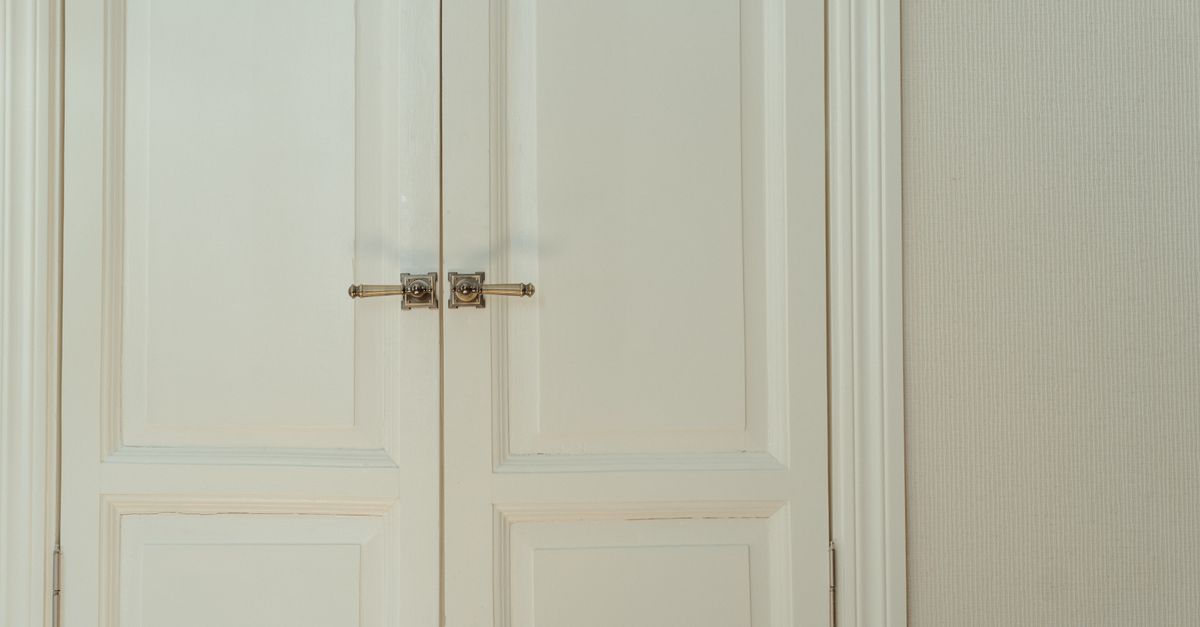
If you've ever looked closely at the lock on a New York City apartment door — really looked — you've probably noticed something odd: there are usually two separate locking mechanisms stacked one on top of the other. That's not a quirk or a landlord's paranoia. It's the result of decades of building codes, lease requirements, and hard-won street wisdom about urban security. Understanding the difference between the two lock types you're looking at — the mortise lock and the cylindrical (or tubular) lock — can save you real money and real frustration the next time one of them needs repair, replacement, or emergency service.
This guide is written for NYC renters and homeowners who want to know what's actually on their door, what it means when something goes wrong, and what a locksmith needs to do about it. We'll cover how to tell the two lock types apart, how each one works, what makes Manhattan doors a special case, and when to call in a professional. Whether you're staring at a broken lock at 2 a.m. in Hell's Kitchen or planning a security upgrade in a pre-war building on the Upper West Side, this is the context you need.
## What Is a Mortise Lock — and How Do You Spot One on Your Door?
A mortise lock is a lock that sits inside a pocket — called the mortise — cut directly into the body of the door itself. You identify it by looking at the door's edge: if you see a large, rectangular metal plate (called the faceplate) that's flush with the door edge, and the lock body is recessed deep into the wood or metal, you've got a mortise lock. Inside the door, this unit contains the latch, the deadbolt, and all their mechanical connections in a single integrated housing. On the interior face of the door, you'll typically see a long, elegant escutcheon plate with both a thumbturn and a keyhole. These locks are engineered for longevity and high-cycle use — which is exactly why they became the standard choice for multi-family residential buildings in New York decades ago. Premium hardware lines like Baldwin mortise locks and Corbin Russwin mortise locks are common in older luxury and institutional buildings across Manhattan, and their quality shows in both performance and the complexity involved in servicing them.
What makes a mortise lock set different from a standard lock is that it integrates multiple functions into one body — the latchbolt that catches when the door closes, the deadbolt for security, and often a privacy button or indicator. The mortise lock cylinder — the plug you insert your key into — is a separate, replaceable component that drops into the mortise body, which means a skilled locksmith can re-key or swap the cylinder without replacing the entire lock set. On a mortise lock set exterior door, this design delivers serious resistance to forced entry because the bolt throws deep into the frame and the lock body is anchored within the door's mass. If you live in a pre-war building, a landmarked brownstone, or any building constructed before roughly 1970, a mortise lock is almost certainly part of your door's hardware.
## Cylindrical Locks: The Other Lock on Your NYC Door
A cylindrical lock — often called a bored lock or tubular lock — is the type most people picture when they hear the word 'lock.' It's installed through a round hole bored through the door's face, and it sits in a visible cylindrical housing on both sides. The knob or lever you turn to retract the latch is mounted directly to this cylinder. Common examples include the deadbolt you'll find above or below the main knob or lever set on most NYC apartment doors. These are faster to install, easier to replace at a lower parts cost, and sufficient for many interior and secondary applications. However, they're generally less robust than a mortise system when it comes to repeated, high-use environments — exactly what a New York City apartment lobby or vestibule door experiences every single day.
New York City's housing code requires that most apartment entry doors have both a self-closing spring latch AND a key-operated deadbolt. In practice, many buildings satisfy this by combining a mortise lock set (which handles the spring latch function and sometimes the deadbolt) with an additional single-cylinder deadbolt above it, or by using a full mortise lock set that integrates both functions. In newer construction or renovated units — particularly in neighborhoods like Hell's Kitchen where older tenements sit alongside modern high-rises — you'll often see a cylindrical deadbolt paired with a mortise-style lever set, giving you that stacked-lock look. The two lock types serve complementary purposes: the mortise handles everyday latch function and building-code compliance, while the secondary deadbolt adds an extra barrier.
## Why This Matters for Repair, Replacement, and Emergency Locksmith Service
Here's the practical payoff: knowing which lock type you have tells you — and your locksmith — a great deal before any work begins. Mortise lock repair is a specialized job. The mechanism inside a mortise body has multiple moving parts, springs, and levers that interact in precise ways. Lubricating, adjusting, or replacing worn components requires someone who understands the internal geometry of the specific unit — and in New York, that might be a 50-year-old Corbin Russwin mortise lock installed when the building went up. A locksmith who primarily works on cylindrical hardware can struggle with an older mortise body and make a costly mistake. When you call Kingsbridge Locksmith, you get a professional who works on both systems regularly across Manhattan's diverse building stock — from pre-war walk-ups on West 46th Street to glass-and-steel residential towers near the Hudson.
For emergency locksmith situations — a broken key in the cylinder, a jammed latch that won't retract, a deadbolt that won't turn — the lock type shapes the entire service call. With a cylindrical lock, a lockout can sometimes be resolved quickly once ownership is verified. With a mortise lock, the process may involve carefully manipulating the internal mechanism or extracting and replacing the mortise lock cylinder, which takes more time and skill. If your lock is damaged — say, a forced-entry attempt has bent the faceplate or stressed the lock body — a mortise lock may need the entire lock set replaced, while a cylindrical deadbolt might only need a new cylinder. These are the factors that determine the final quote for any locksmith service call: the lock type and condition, the specific parts required, the time of day, and your location within the service area. At Kingsbridge Locksmith, we confirm an exact up-front price before any work begins — no surprises. If you're dealing with a lock emergency right now, call us at (347) 604-6348 and we'll walk you through what to expect.
## Smart Mortise Locks, Modern Upgrades, and What NYC Buildings Allow
Technology has come for the mortise lock too. Smart mortise lock options — units that fit into the same rectangular pocket as a traditional mortise body but include electronic access, keypad entry, or smartphone connectivity — are increasingly available and increasingly installed in New York apartments and condos. The appeal is real: you can grant time-limited access to a dog walker, audit who entered and when, and eliminate the risk of a copied key. However, in a co-op or condo building, your proprietary lease or house rules may restrict what you can install on the entry door, and in a landmarked building, visible exterior changes require approval. A qualified locksmith can assess your specific door prep — the exact pocket dimensions, the backset, the door thickness — and match you with a compatible smart mortise lock set that meets both your security goals and your building's requirements. Brands like Baldwin also offer smart-enabled mortise configurations that maintain a traditional aesthetic, which matters in historic buildings.
For those in Hell's Kitchen — specifically zip codes 10018, 10019, and 10036 — this question comes up constantly. The neighborhood is a layered mix of 1920s tenement buildings, post-war rentals, and newly converted luxury units, and no two doors are quite the same. Kingsbridge Locksmith provides 24-hour lockout service and security upgrades throughout this corridor. Whether you need a traditional mortise lock cylinder re-keyed after a roommate moves out, a new smart mortise lock set installed on an exterior door, or an emergency response at 3 a.m. because your key snapped off in the lock, our mobile team can reach you quickly. We stock components for both mortise and cylindrical systems in our service vehicles, which means fewer delays waiting on parts.
## How NYC Locksmith Pricing Works — and What You Should Know Before You Call
One of the most common questions we hear is some version of: how much does a local locksmith charge, or how much should an emergency locksmith cost? The honest answer is that there is no single flat rate for locksmith work in New York City, and anyone who quotes you a firm price before knowing what's on your door is guessing. The factors that shape the final cost of any service call include the type of lock involved (mortise systems generally require more labor time than cylindrical ones), whether parts need to be sourced and replaced, the time of day and day of week, and your specific location within our service area. Emergency locksmith service at 4 a.m. reflects different operational costs than a scheduled appointment on a Tuesday afternoon — that's true across the industry. What Kingsbridge Locksmith commits to is transparency: we assess the situation, give you an exact price before touching anything, and then do the work. You are never billed for a surprise.
It's also worth knowing that New York State does not currently require locksmiths to hold a state-issued license, though professional locksmiths operating ethically in NYC carry insurance and adhere to industry standards. When you call a locksmith, the right questions to ask are about insurance, experience with your specific lock type, and whether they provide a written price before starting work. Our team is insured, trained on a full range of residential and commercial lock systems, and experienced with the particular demands of New York's building stock. We serve residential clients, property managers, and businesses across Manhattan — our commercial locksmith work includes everything from master key systems to access control installations in multi-tenant buildings. For any lock need, large or small, planned or urgent, you can reach us any time at (347) 604-6348.
## 25 Lock and Security Services We Provide Across Manhattan
Whether you're a renter dealing with a broken mortise lock at midnight or a property manager overseeing a full building re-key, here is a specific look at what Kingsbridge Locksmith handles daily across New York: residential apartment lockouts with ownership verification, mortise lock set repair and replacement, mortise lock cylinder extraction and re-keying, cylindrical deadbolt installation and replacement, smart mortise lock installation and programming, full re-key service after a roommate or tenant change, broken key extraction from mortise and cylindrical locks, emergency locksmith response for damaged or forced locks, door knob lock replacement and repair, lever set installation for ADA-compliant accessibility, master key system design for multi-unit buildings, commercial locksmith service for storefronts and office suites, high-security lock upgrades for exterior doors, peephole installation and replacement, door frame and strike plate reinforcement, lock-compatibility assessment for pre-war mortise pockets, Corbin Russwin mortise lock service and parts, Baldwin mortise lock installation and adjustment, electronic access control installation for commercial tenants, keypad lock installation for residential units, key duplication for mortise lock cylinders and standard cuts, safe opening and combination changes, automotive lockout service for cars and SUVs throughout Manhattan, transponder key programming and key fob replacement, and after-hours emergency locksmith service 24 hours a day, 7 days a week across all Manhattan zip codes including Hell's Kitchen's 10018, 10019, and 10036.
## What Our Customers in Hell's Kitchen and Across Manhattan Experience
The calls we get in Hell's Kitchen tell the story better than any description could. A tenant on West 48th Street discovers her mortise lock thumbturn has seized — the deadbolt won't retract from the inside. It's a Sunday evening. She calls (347) 604-6348, our mobile unit is nearby, and the issue turns out to be a worn internal lever spring inside the mortise body — a repair that requires opening the lock set, not replacing it entirely. She's back inside within the hour with a properly functioning lock and a clear explanation of what failed and why. That's what 24-hour lockout service looks like in practice: not just opening a door, but solving the actual problem so it doesn't happen again next week.
Another common scenario: a property manager overseeing a six-unit building near the Port Authority Bus Terminal needs to re-key after a long-term tenant moves out without returning all copies of the key. Because the building uses mortise lock sets throughout, a cylinder swap on each unit is the efficient solution — the mortise bodies stay in place, new cylinders are cut to a new master key pattern, and the manager has a single key that works every common-area door and a distinct key for each unit. These are exactly the kinds of jobs where familiarity with New York's specific building hardware — not just generic lock knowledge — makes a real difference. Kingsbridge Locksmith is a local team serving a local community, and we take that seriously on every call.
Frequently asked questions
What is a mortise lock and how do I know if my NYC apartment has one?+
A mortise lock is a lock mechanism housed inside a rectangular pocket (the mortise) cut into the edge of your door. You can identify it by looking at the door edge: if you see a flat, rectangular metal plate flush with the door surface and a long escutcheon plate with a keyhole on the door face, you have a mortise lock. Most pre-war Manhattan apartment buildings — including the vast majority of pre-1970 construction in neighborhoods like Hell's Kitchen, the Upper West Side, and the Village — use mortise lock sets as their primary door lock. If your building was built after about 1990, you're more likely to have a cylindrical deadbolt as your primary lock, though many renovated units combine both types.
How much does an NYC locksmith cost for mortise lock repair versus a standard deadbolt?+
There is no single flat rate because several factors shape every quote: the type of lock (mortise work generally involves more labor time and specialized knowledge than cylindrical deadbolt work), the specific repair or replacement needed, whether parts must be sourced, the time of day, and the location of the service call. Emergency locksmith service outside of standard hours reflects real operational differences. What we can tell you is that Kingsbridge Locksmith provides an exact, confirmed price before any work begins — you'll know the full cost upfront and won't see surprise charges afterward. Call (347) 604-6348 for an honest assessment of your specific situation.
Can I install a smart mortise lock in my Manhattan apartment?+
In many cases, yes — but there are important variables. A smart mortise lock set must physically fit your existing mortise pocket, which means the dimensions and backset of the current lock housing need to be compatible with the new unit. Many modern smart mortise locks are engineered to fit standard pocket sizes, but older or non-standard mortise bodies in pre-war buildings may require an adapter or a custom installation. You also need to check your building's house rules or proprietary lease, as co-ops and condos often have policies about electronic lock installations. Kingsbridge Locksmith can assess your specific door and lock setup and recommend a compatible smart mortise lock that meets your security needs and building requirements.
Does New York require locksmiths to be licensed, and how do I know I'm hiring a trustworthy professional?+
New York State does not currently have a mandatory statewide locksmith licensing requirement. This makes it especially important to ask the right questions before authorizing any work. Ask whether the locksmith is insured, whether they have specific experience with your lock type (particularly mortise locks if that's what's on your door), and whether they will confirm an exact price in writing before starting. A professional locksmith will also ask you to verify ownership or tenancy before performing any lockout service — this is standard practice and protects both you and the locksmith. Kingsbridge Locksmith is insured, experienced across residential and commercial lock systems, and always provides an upfront confirmed price before any work begins.